

EVENT DETAILS:
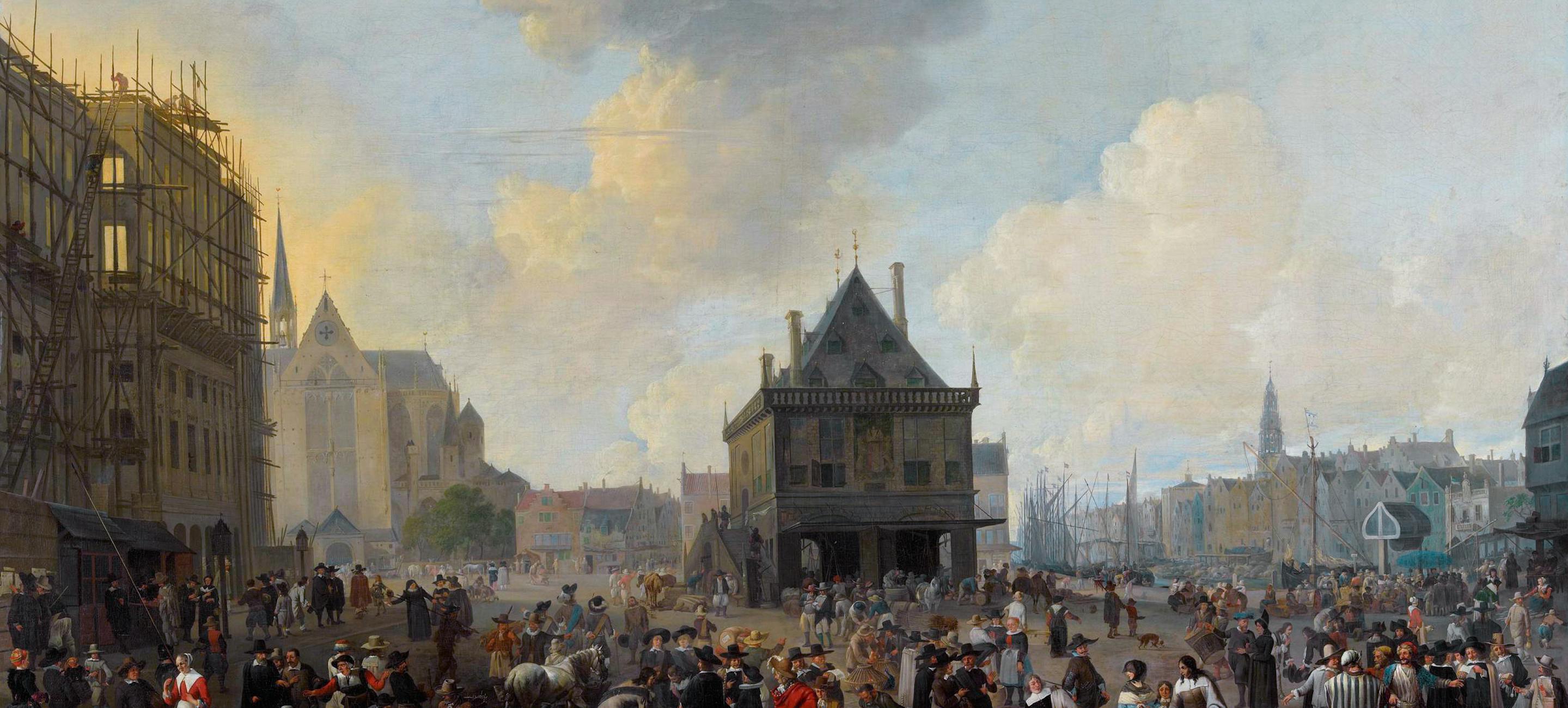
This year marks a noteworthy convergence: the 400th anniversary of New Amsterdam, the city that became New York, and the 750th anniversary of Amsterdam’s founding. These milestones offer an opportunity to reflect on two cities that helped shape our modern ideas of toleration, diversity, and freedom of conscience, while also pondering the limits and contradictions of those ideals.
Tolerance and Tension brings together leading scholars, thinkers, and artists for a day of discovery and debate. Through three provocative panels, a keynote from world-renowned Spinoza scholar Steven Nadler, and a slate of live performances, the symposium explores questions of pluralism, migration, and the fragile promise of liberty that are pressingly relevant today.
Presented in collaboration with the New Netherland Institute, and with the generous support of the Future 400 Program of the Consulate-General of the Netherlands in New York, and the Rockefeller Brothers Fund.
Program Details:
9–9:08 am: Welcome, Russell Shorto
Director, New Amsterdam Project at The New York Historical
9:08–9:15 am: Welcome, Dewi van de Weerd
Ambassador for International Cultural Cooperation, Kingdom of the Netherlands
9:15–10:30 am: Panel 1: Diversity and Toleration in the Netherlands
The Dutch Republic was famed for tolerance. Where did it come from, and what were its limits?
Benjamin Kaplan, University College London
Mark Ponte, City Archives Amsterdam
Susanah Romney, New York University
Moderator: Deborah Hamer, Executive Director, New Netherland Institute
10:30-11 am: Break
11 am – 12:15 pm: Panel 2: Diversity and Toleration in New Netherland
New Netherland’s population was unusually diverse compared to other North American colonies. But how well did the famed “liberty of conscience” of the home country carry across the ocean?
Evan Haefeli, Texas A&M University
Nicky Kay Michael, Delaware
Alan Mikhail, Yale University
Moderator: Russell Shorto, Director, New Amsterdam Project
12:15–2 pm: Lunch
2:00–3:15 pm: Panel 3: New Netherland Migrations
Dreamers, traders, refugees, and the enslaved – who came to New Netherland? And who was forcibly brought there? What circumstances drove them to create one of the most diverse settlements in North America?
Dagomar Degroot, Georgetown University
Lavada Nahon, Independent Scholar
Chelsea Teale, New Netherland Research Center
Moderator: Jaap Jacobs, Honorary Research Fellow, University of St. Andrews
3:15–3:30 pm: Break
3:30-4:15 pm: Keynote Address: Steven Nadler
William H. Hay II Professor of Philosophy, University of Wisconsin-Madison
“Spinoza and Toleration”
Spinoza is one of history’s greatest proponents of political and religious toleration, whose once-scandalous views anticipate the First Amendment of the U.S. Constitution. As he says at the end of his Theological-Political Treatise (1670), “everyone should be free to think what he wants and say what he thinks.” But do we dare take Spinoza at his word? Should there be limits to free expression? Who would set them?
4:15-4:30 pm: Break
4:30–5:30 pm: Future 400 Performances
We close the day with a slate of dynamic performances by Future 400 partners Battery Dance, The Ramblers, and the National Black Theater—artists whose work channels the diversity and creative fusion that have defined New York since its earliest days.
5:30–7 pm: Reception
Location:
The Robert H. Smith Auditorium at The New York Historical, 170 Central Park West, New York, NY 10024
Ticket Instructions:
By phone: Contact our call center at (212) 485-9268 from 9 am – 5 pm daily.
Online: Click on the button above.
In person: Purchase tickets on site at the admissions desk during Museum hours.
Chair's Council: Chair's Council members may request complimentary tickets. To learn more, email chairscouncil@nyhistory.org.
Members: Sign in with your Member login on the next page to receive your discount. If you need a login or have any questions, contact the call center at (212) 485-9268 or call.center@nyhistory.org.
Advance registration is required to guarantee seating. All sales are final; refunds and exchanges are not permitted. Programs and dates are subject to change. Management reserves the right to refuse admission to latecomers. Program tickets do not include Museum admission unless otherwise noted.