

The newest volume in the acclaimed Oxford History of the United States series, Contested Continent recounts the origins of “America” and how it came to birth the United States.
Click for more information or to purchase the books
When you purchase through these links, the New Amsterdam History Center
receives a small commission—at no additional cost to you.
Sara Cedar Miller discusses what Central Park was like in the early days of New Amsterdam and how 800 acres of sprawling green acres in the middle of one of the world’s densest cities, became an urban masterpiece.
Why does the Blauvelt family in America claim their ancestor was a Dutch colonist named Gerrit Hendricksen?
During the first eighty years of permanent European colonization, webs of alliances shaped North America from northern New England to the Outer Banks of North Carolina and entangled all peoples in one form or another.
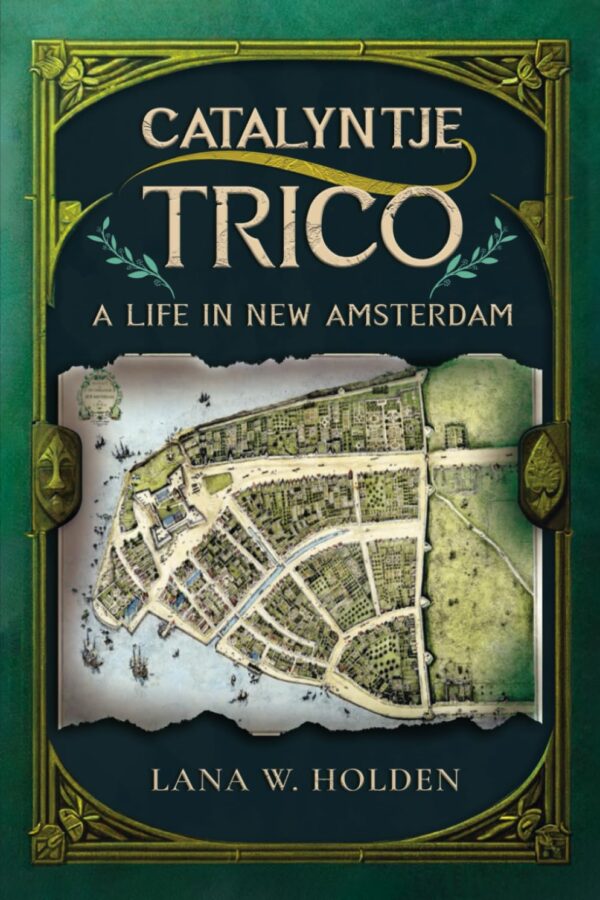
Lana Holden’s Catalyntje Trico: A Life in New Amsterdam vividly re-creates 17th-century New Netherland, tracing Catalyntje's journey from Amsterdam in 1623 until her death in 1689, capturing pivotal historical events.
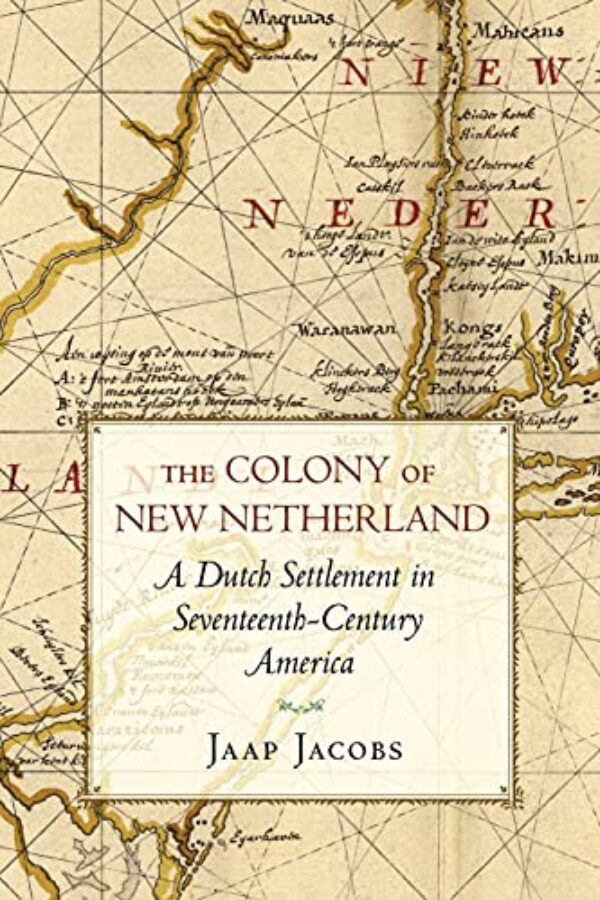
Jaap Jacobs offers distinctive examples of the economic colonization of New Amsterdam compared to that of the English colonies in North America.
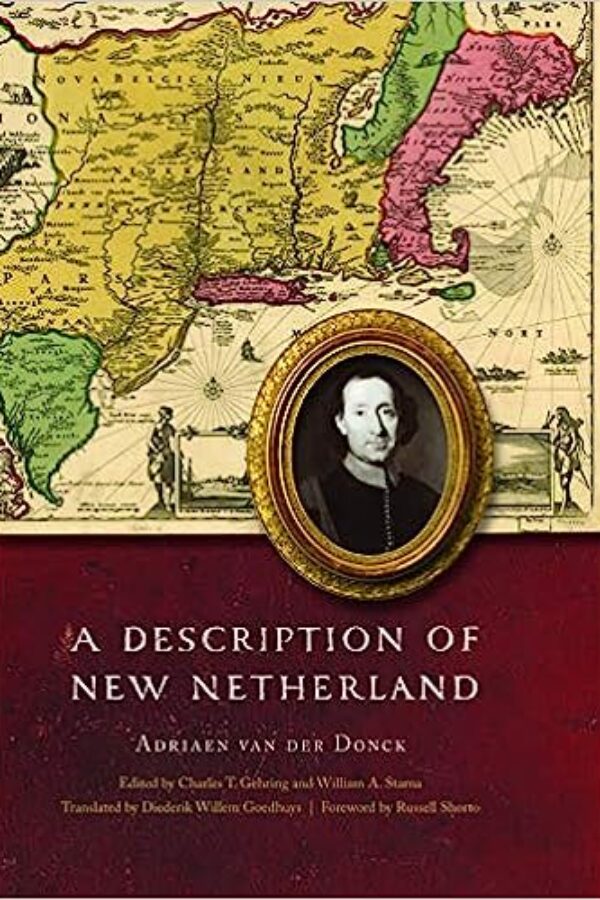
This edition provides the first complete and accurate English-language translation of an essential first-hand account of the lives and world of Dutch colonists and northeastern Native communities in the seventeenth century.
Firth Fabend looks at how her ancestors, middle-class farmers, dealt with the changes of the seventeenth and eighteenth centuries.
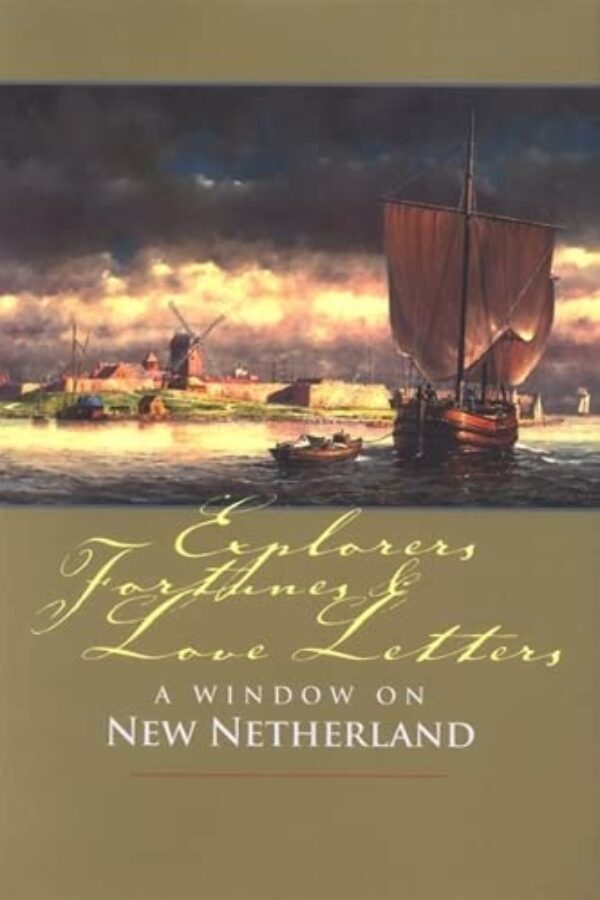
Drawing on the latest research, leading scholars shed new light on the culture, society, and legacy of the New Netherland colony.
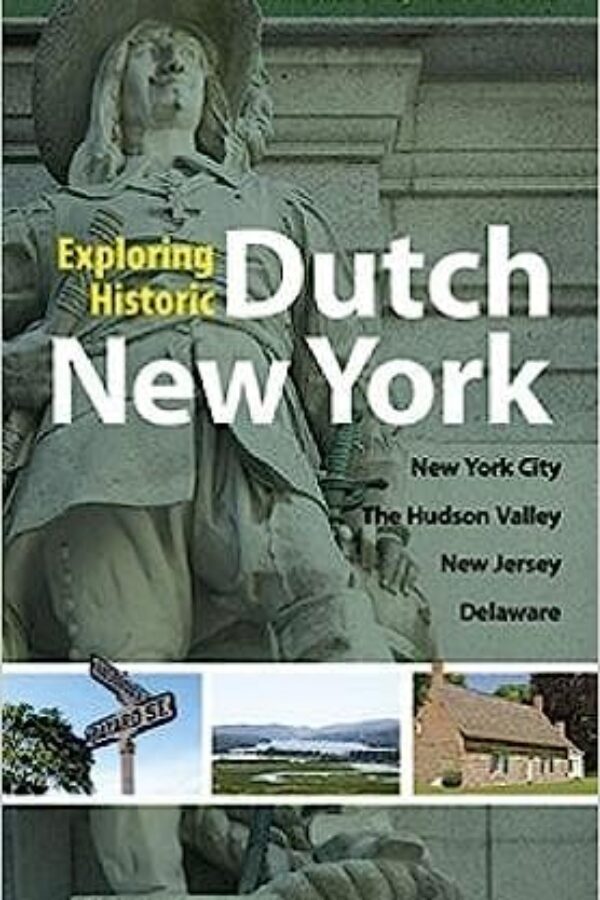
This comprehensive guide to touring important sites of New York's Dutch history serves as an engrossing cultural and historical reference.
Through the eyes of Asser Levy in 1654, we see what it was like for the first group of refugee Jews, fleeing persecution when they arrived in America from Brazil.
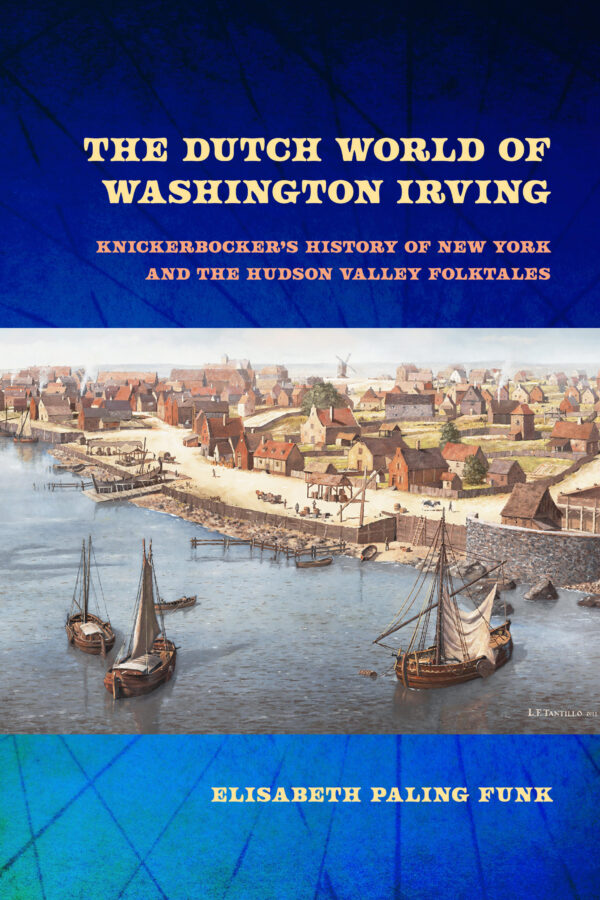
In her book The Dutch World of Washington Irving, historian Elisabeth Paling Funk joins several authors of recent books about Irving, identified in her Epilogue, that herald a welcome new interest in him in this century.
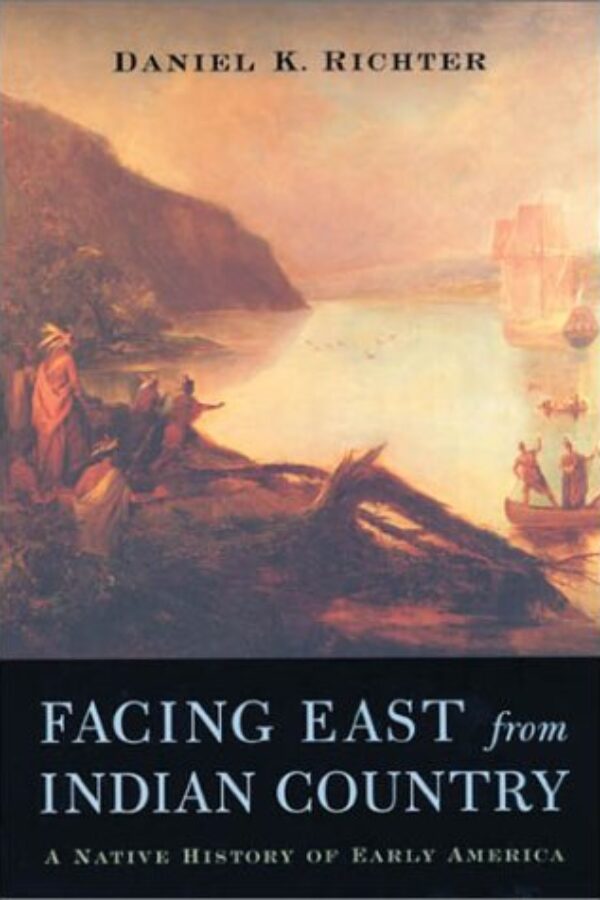
In the beginning, North America was Indian country but the Indians yielded to the westward rush of European settlers. Or so the story usually goes.
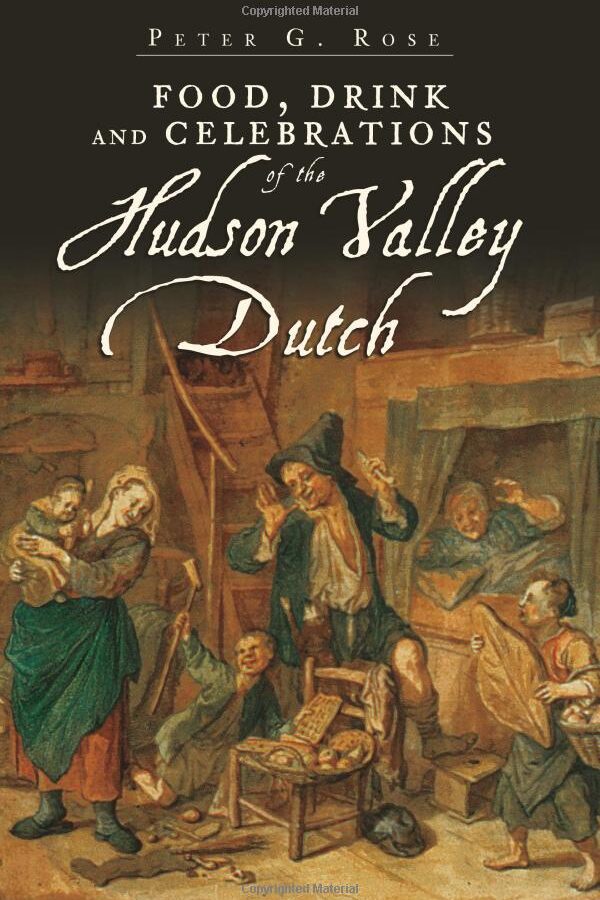
Peter Rose explores the food, drink and celebrations of the Hudson Valley Dutch in this comprehensive look at its importance and influence in early American life. Recipes are included.
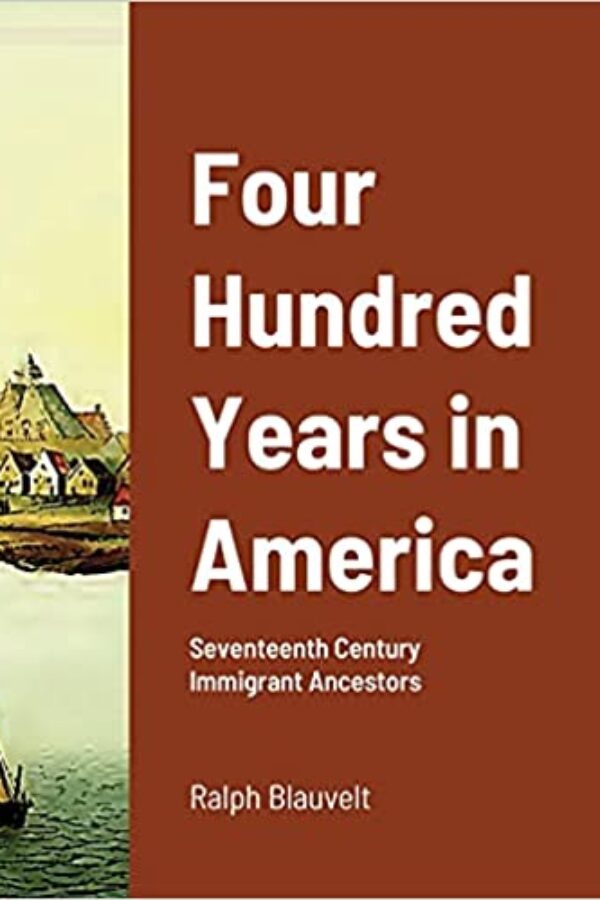
Four Hundred Years in America is the story of the first immigrant settlers in New Netherland, the seventeenth century Dutch colony in North America.
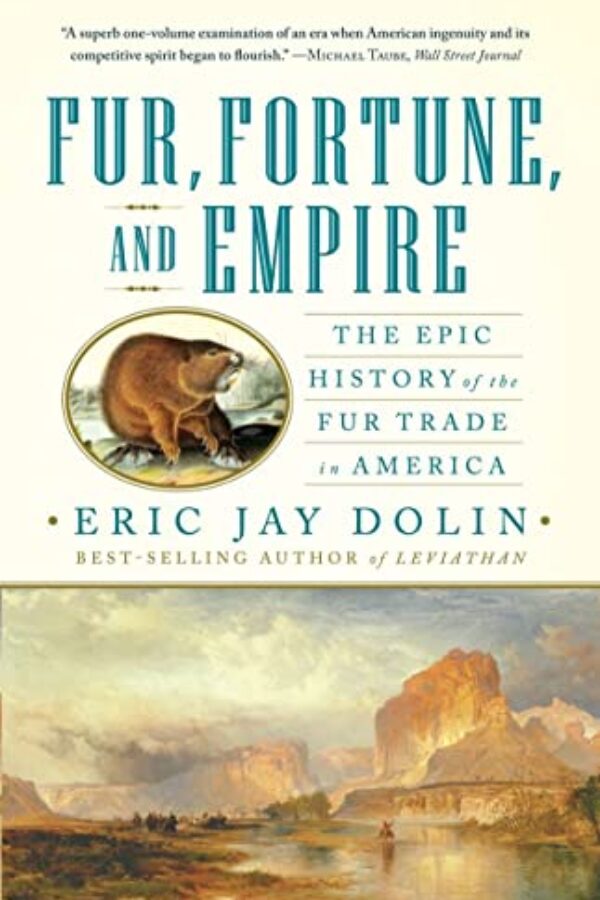
Hudson's 1609 voyage to America ignited a fierce competition to lay claim to this uncharted continent, teeming with untapped natural resources.
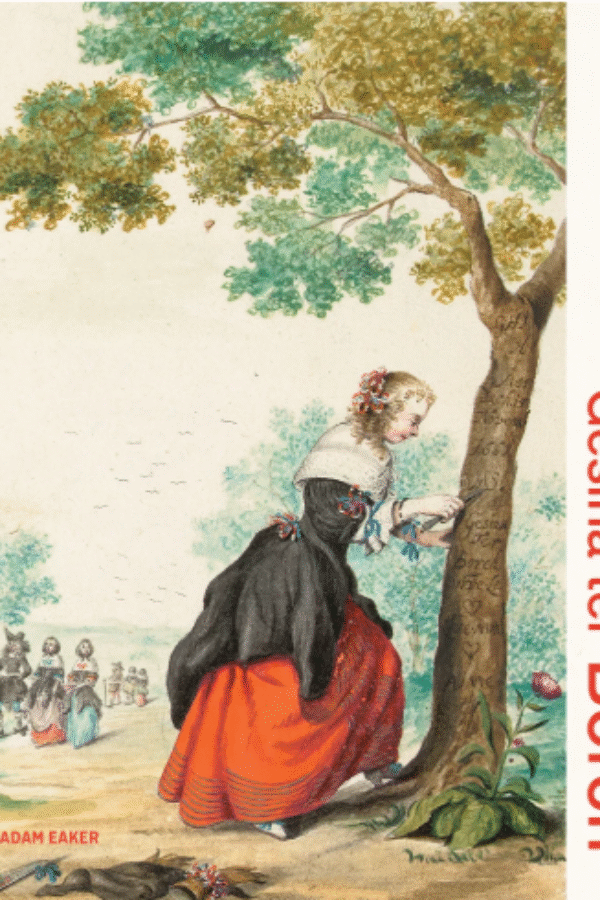
Adam Eaker's new book Gesina ter Borch is the first full-length study devoted to the best-documented Dutch woman artist of the seventeenth century. In this event, he and fellow art historians Nicole Cook and Wayne Franits will explore the fascinating art of Gesina ter Borch.
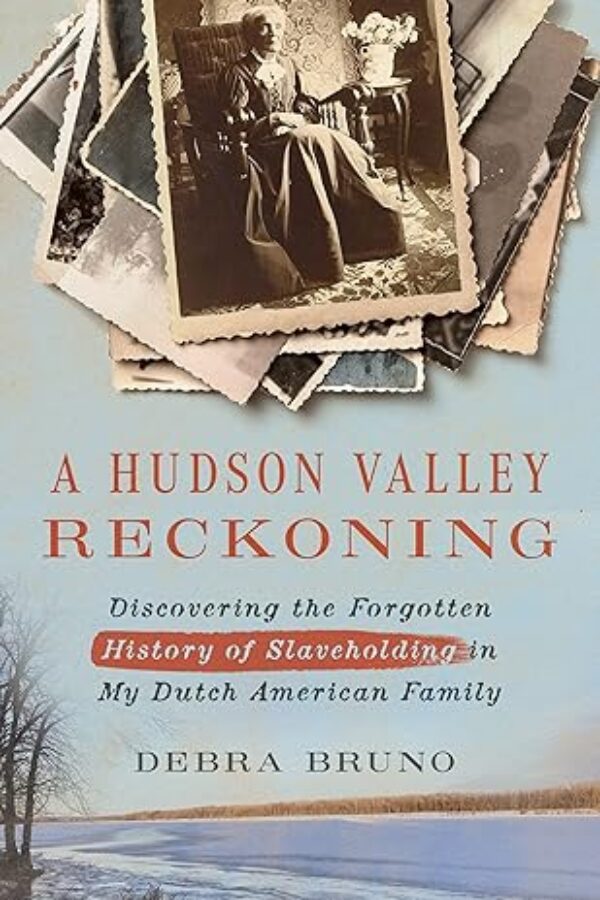
Debra Bruno’s Reckoning confronts her revered ancestors’ history as slave owners. With a journalist’s curiosity and historian’s rigor, she presents her findings in an engaging, conversational style.
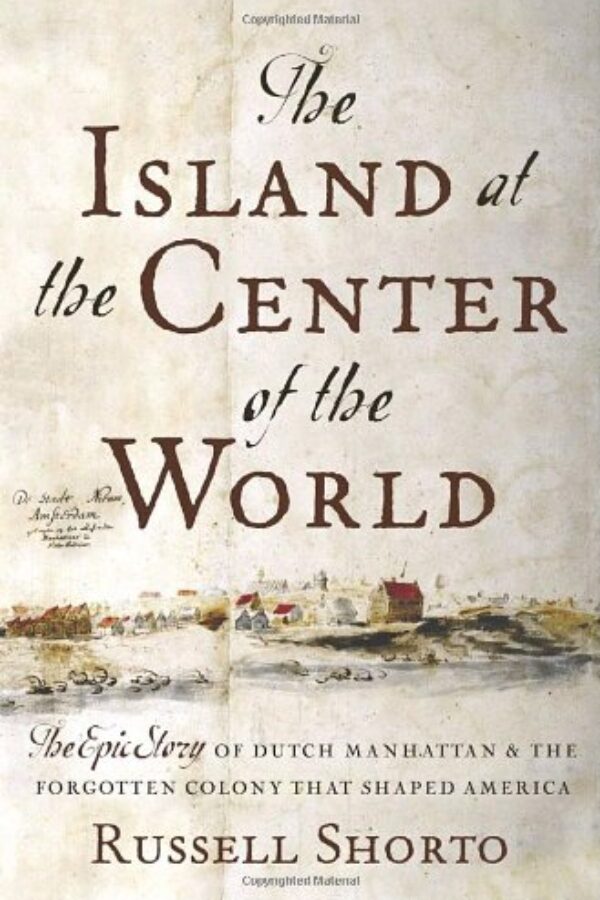
In a landmark work of history, Russell Shorto presents astonishing information on the founding of our nation and reveals in riveting detail the crucial role of the Dutch in making America what it is today.
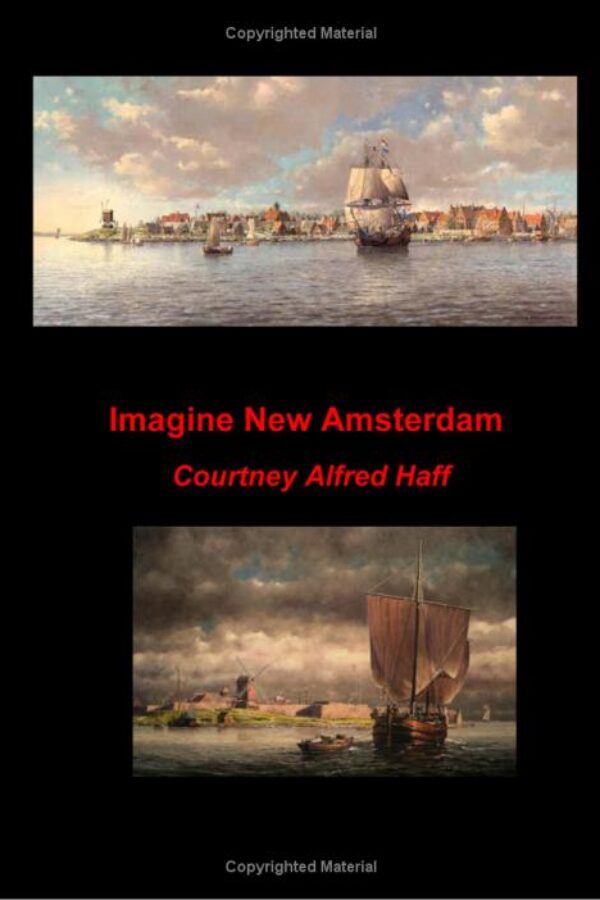
The 400-year anniversary of Henry Hudson’s discovery of the Hudson River provides a vantage point for understanding how the Dutch have influenced lower Manhattan.
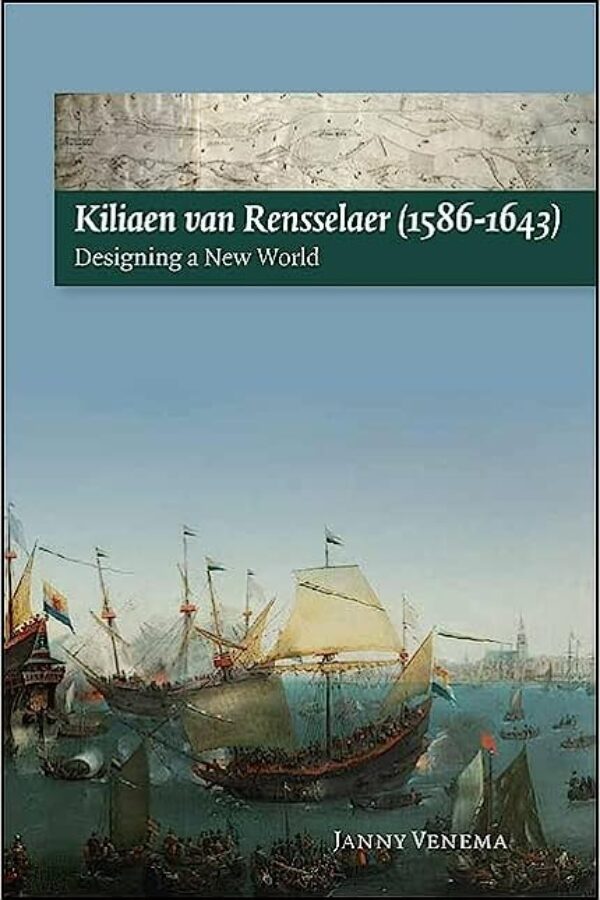
Read about how Kiliaen van Rensselaer, one of the founding directors of the Dutch West India Company, helped establish the New Netherland colony.
Three strong-minded Dutch-American women, related to each other by marriage, deal with the privations of life in a wilderness community.
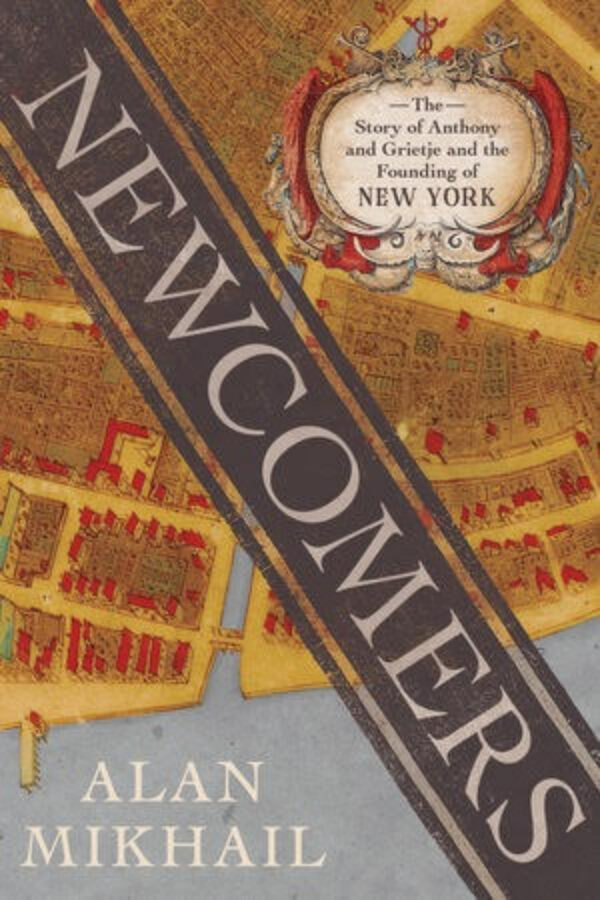
In her book The Dutch World of Washington Irving, historian Elisabeth Paling Funk joins several authors of recent books about Irving, identified in her Epilogue, that herald a welcome new interest in him in this century.
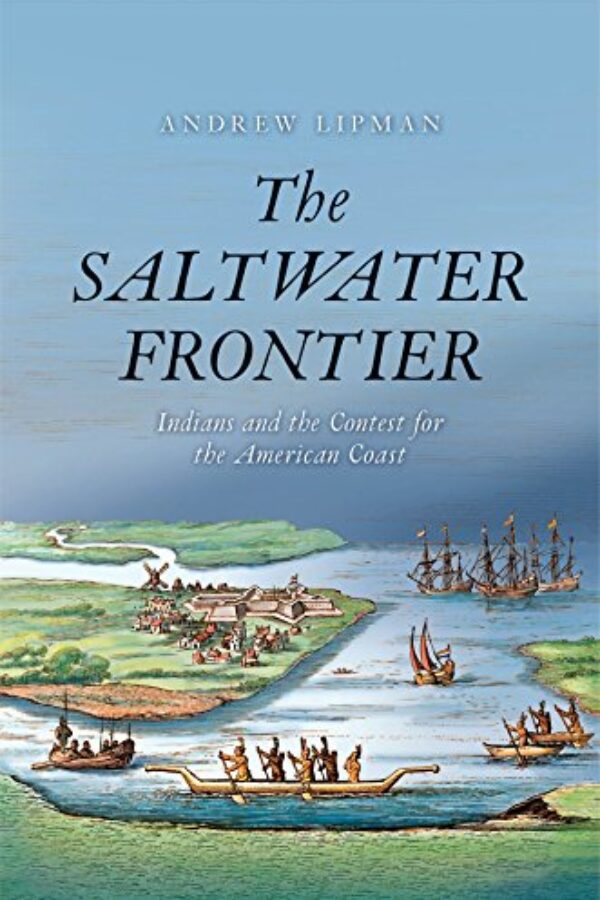
Andrew Lipman’s tells the untold story of how the ocean became a “frontier” between colonists and Indians.
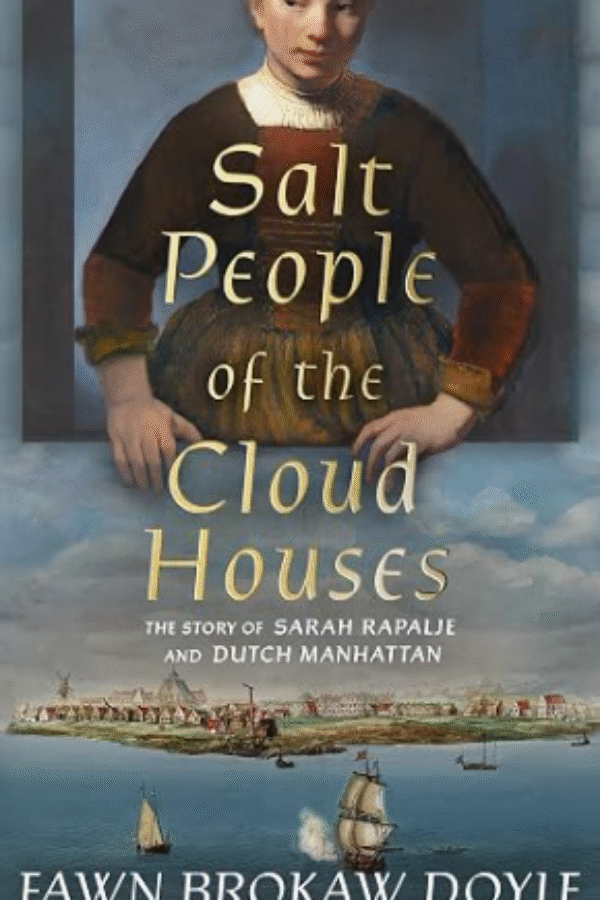
In her book The Dutch World of Washington Irving, historian Elisabeth Paling Funk joins several authors of recent books about Irving, identified in her Epilogue, that herald a welcome new interest in him in this century.
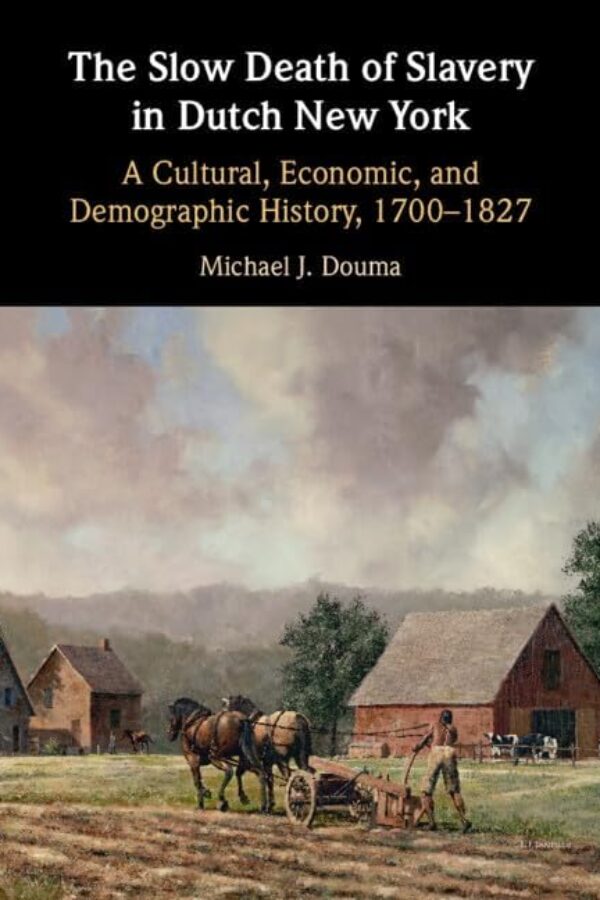
Michael J. Douma’s The Slow Death of Slavery in Dutch New York offers a groundbreaking cultural, economic, and demographic analysis, previewed here exclusively for New Amsterdam History Center readers.
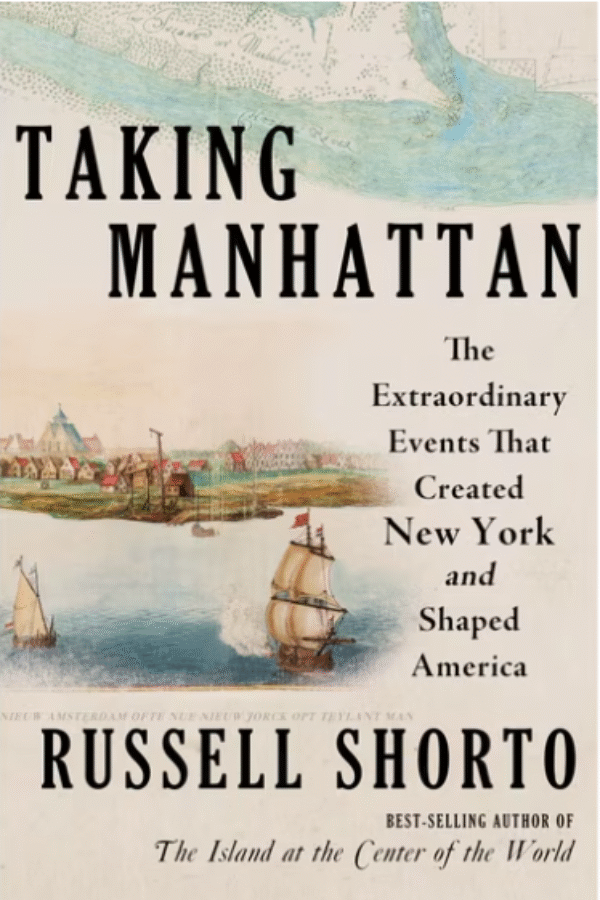
In 1664, England decided to invade the Dutch-controlled city of New Amsterdam on Manhattan Island. Charles II and his brother, the Duke of York, had dreams of empire, and their archrivals, the Dutch, were in the way.