

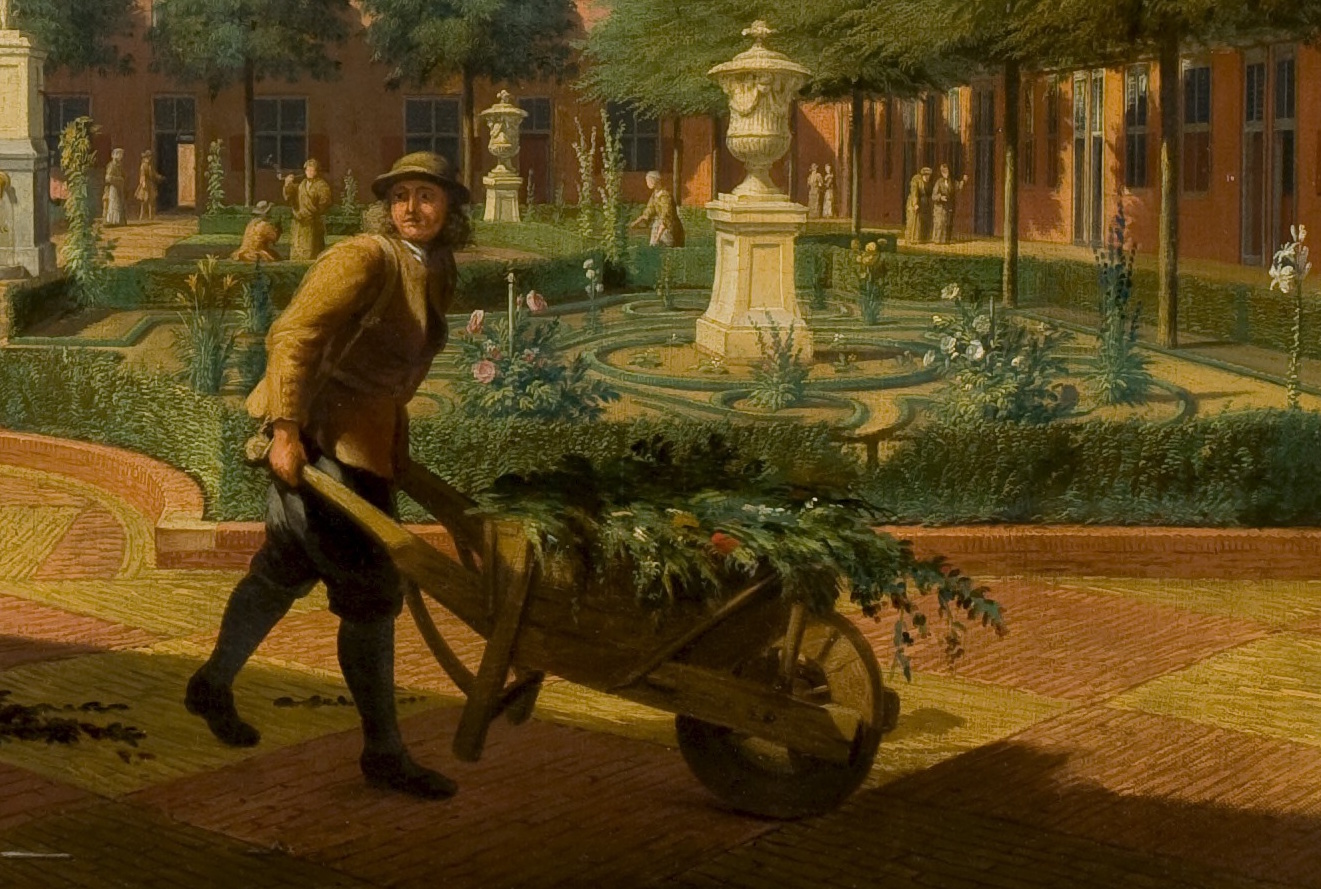
The New Amsterdam History Center Invites You
Cultivating New Amsterdam
Gardens, Plants, and the Dutch Atlantic
A talk by Jonas Danen
How gardens, plants, and horticultural knowledge connected New Amsterdam's Dutch settlers
to the wider Atlantic world.
Tuesday February 9, 2027
6:30 – 8:00 PM
THIS IS A VIRTUAL EVENT ON ZOOM
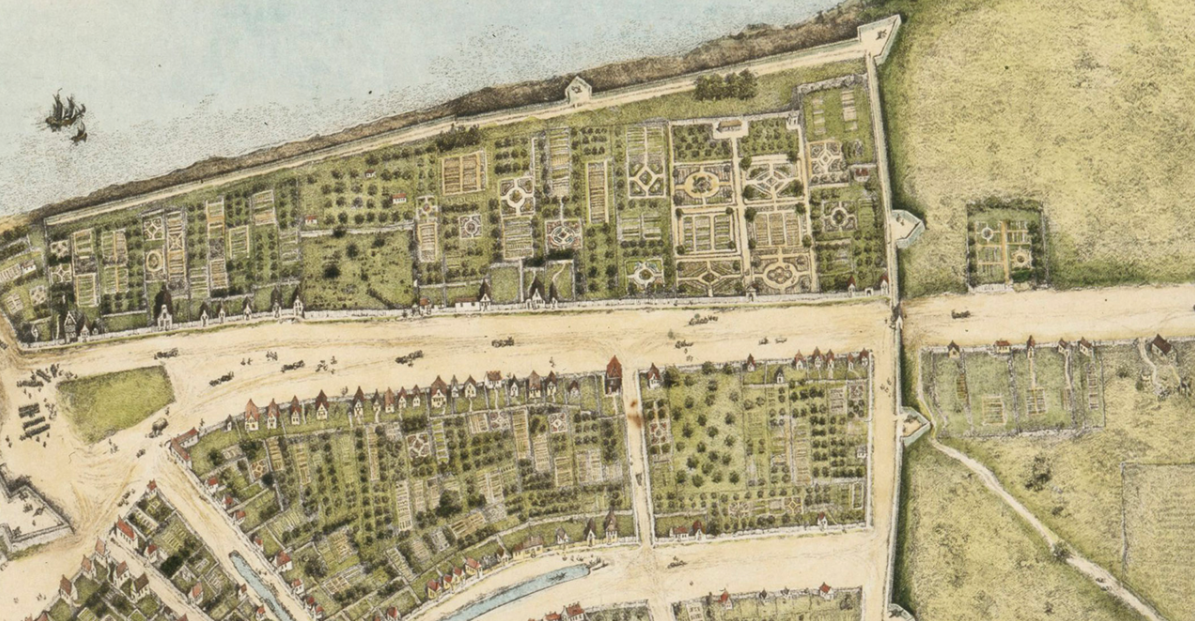
The gardens of seventeenth-century New Amsterdam were more than places to grow food: they were spaces of medicine, memory, pleasure, experimentation, and cultural exchange. Beginning with the Mapping Early New York's 3D model of the Kierstede apothecary garden created by the New Amsterdam History Center, this lecture explores the city's gardens and the wider networks through which plants, seeds, and horticultural knowledge moved between New Netherland and the Dutch Republic, revealing how Dutch settlers cultivated familiar landscapes while adapting to an unfamiliar environment.
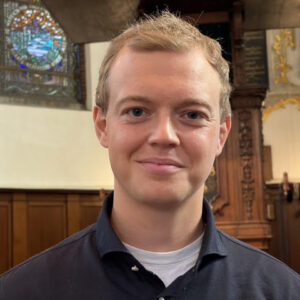
Jonas Danen is a PhD candidate at the Rachel Carson Center for Environment and Society (LMU Munich), where he is working on his dissertation project, tentatively titled “The New World as Garden: Harvesting the Dutch Hudson Valley, 1609-1664.” There, he studies the role of “landscape” in the Dutch settlement of New Netherland in North America. He is interested in the formation of “natural knowledge” in the early Dutch Republic, when the drainage of lakes transformed the landscape of the Dutch western provinces into an efficient agricultural machine that supported the global colonial project. How did this knowledge of land- and waterscapes travel across the Atlantic Ocean, interact with Indigenous and African ideas of landscape, and influence the colonization of the American Northeast?
Besides his academic work, Jonas is part of an ongoing socio-ecological bat research project in the Medieval Grote of St.-Bavokerk in Haarlem and has helped curate an exhibition on the non-human archival records in the Provincial archives of North Holland. His work has been supported by, among others, het Cultuurfonds, der Deutscher Akademischer Austauschdienst, the New Netherland Institute and Research Center, Harvard University’s Dumbarton Oaks Research Library and Museum, and the Canadian Centre for Architecture.